Moving to Australia from the USA starts with two approvals, not one. You need a visa from the Department of Home Affairs before you travel, and every household shipment you send is screened by Australian biosecurity on arrival. Clean, soil-free goods and a detailed packing list matter just as much as the visa in your passport.
That double requirement catches many American families moving to Australia off guard. You can get everything right on the immigration side, land in Sydney with a job offer and a rental lined up, and still have your container held at the wharf because a pair of soccer cleats had dried mud in the studs. BLUEmove International Relocation, headquartered in Columbia, Maryland, has spent 21+ years helping families prepare shipments for countries with strict import controls, and Australia sets the benchmark for strictness. If you are still weighing destinations, our guide to the easiest countries to move to from the USA is a useful companion read.
This guide covers visa routes, where Americans settle, the biosecurity rules most movers gloss over, shipping methods and timing, New Zealand, and what drives the cost of moving to Australia.
Which visa do you need for moving to Australia?
Australia runs a structured, document-heavy immigration system, and nothing should be packed until you know which visa pathway applies to your household. To be clear, BLUEmove International Relocation is a moving company. We do not obtain visas, lodge immigration applications or give migration advice. What follows is orientation only. The Department of Home Affairs is the authority, and a registered migration agent can advise on your case.
Skilled (points-tested) visas
These are for people whose occupation appears on Australia’s skilled occupation lists. Points are awarded for factors such as age, English proficiency, qualifications and work experience. Because the process is competitive and the lists change, many applicants start with a formal skills assessment. Processing can be lengthy, so most families treat the visa grant as the trigger for booking freight.
Employer-sponsored visas
For Americans on a company transfer or a direct Australian job offer, employer sponsorship is the most common route. Your employer nominates the position, and you apply against that nomination. This is also where shipping timelines get squeezed hardest. The start date is fixed, the visa arrives later than hoped, and suddenly a three-bedroom house needs packing in ten days, so build in slack if you can.
Partner and family visas
If you are joining a spouse, partner or family member who is an Australian citizen or permanent resident, there is a dedicated stream. These applications are evidence-heavy and often slow, so many families ship their belongings after they arrive. That works, but it changes the paperwork because your goods no longer travel as part of an immediate arrival.
Working holiday (under 31)
Americans aged 18 to 30 may be eligible for a working holiday visa. For this group, a full container rarely makes sense. A few boxes of personal effects and a suitcase usually do the job.
Visa conditions, occupation lists and fees change often, so always start at the official source.
Where do Americans settle in Australia?
For anyone moving to Australia, it helps to know the country is roughly the size of the continental United States with a fraction of the population, and that geography shapes everything, including your freight costs.
| City | Draws Americans for | Trade-offs |
|---|---|---|
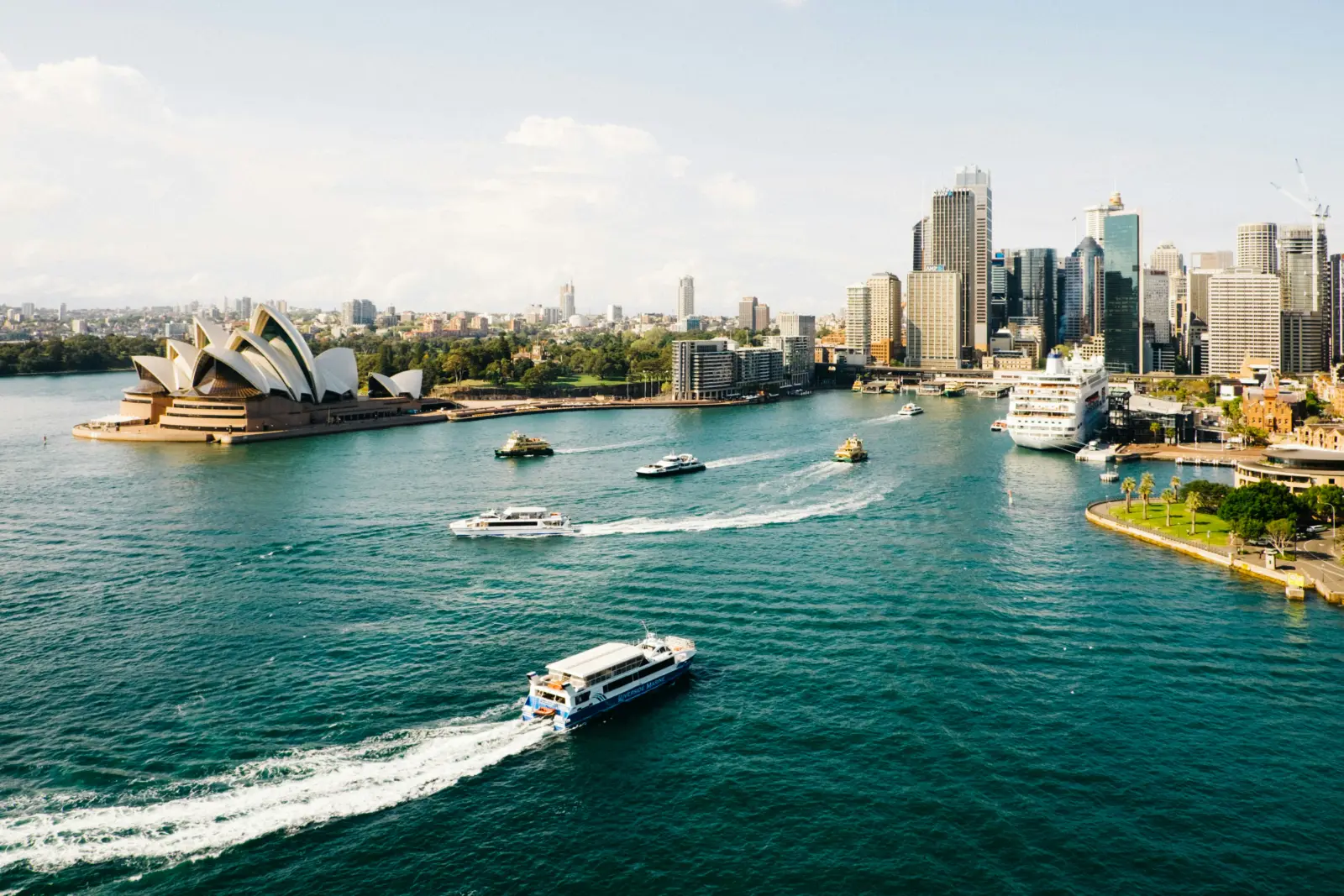
| Sydney, NSW | Finance, tech, law and media; the largest expat community; the most direct US flights | Highest housing costs; long commutes; smaller homes |
| Melbourne, VIC | Universities, healthcare, arts; strong public transport | Four-season weather that surprises people expecting beaches; a sprawling metro area |
| Brisbane, QLD | Warm climate, a growing job market, more space for the money | Humid summers; storm and flood seasons to research by area |
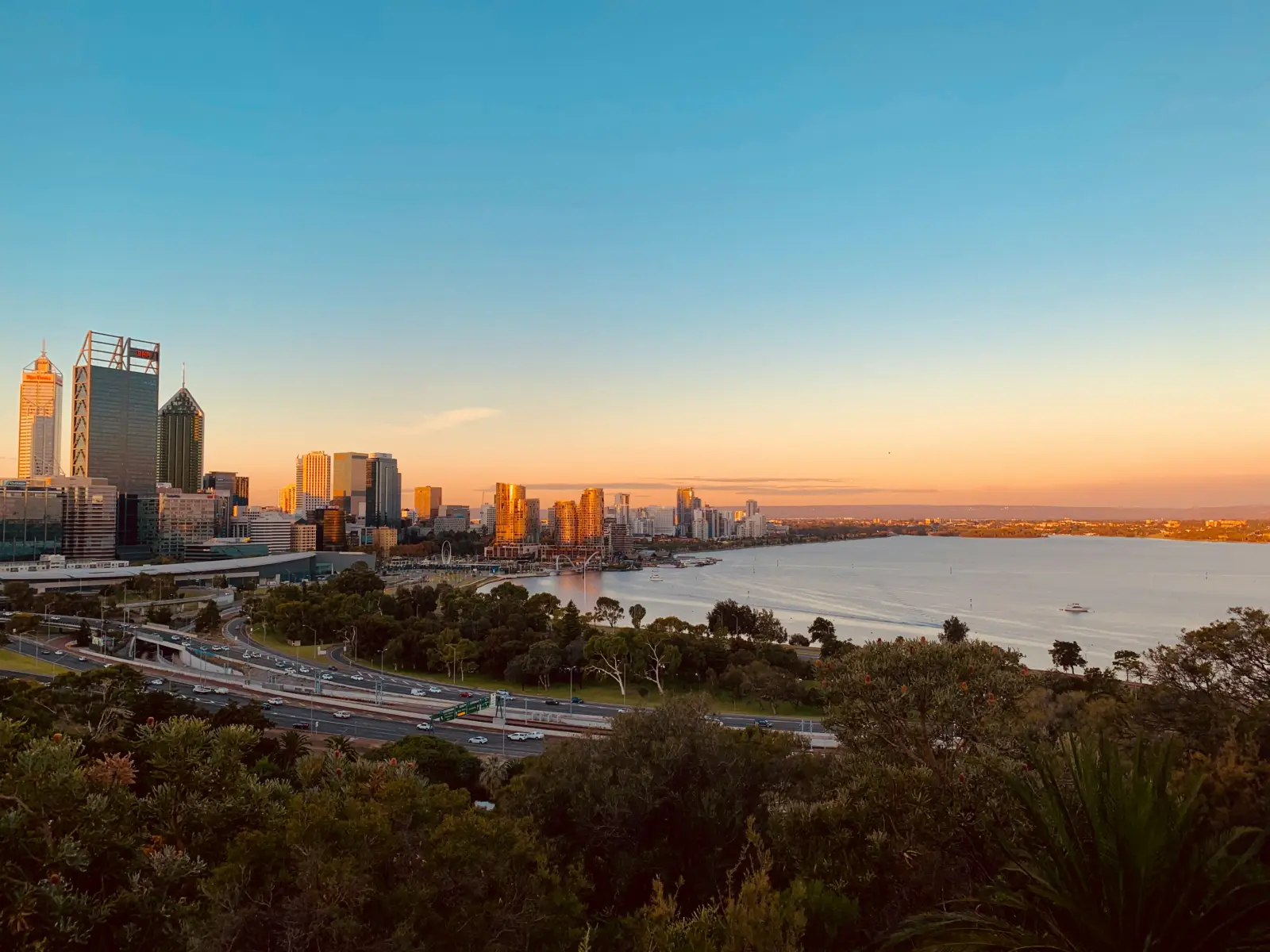
| Perth, WA | Mining, energy and engineering roles; beaches | One of the most isolated major cities; longer freight transit |
| Hobart, TAS | Cooler climate, lower housing pressure, close community | Narrower job market; island logistics add a delivery leg |
One practical note affects your packing decisions. Australian homes, especially in inner Sydney and Melbourne, are often smaller than comparable American homes, and basements are rare. Older houses may also lack the central heating and air conditioning Americans take for granted. Measure before you ship a sectional sofa.
What are Australia’s biosecurity rules for household goods?
This is the section of moving to Australia to read twice. Australia’s farms and ecosystems have no natural defenses against introduced pests and diseases, so its biosecurity regime is among the strictest in the world, and it applies to your household goods without exception. The rules are set by the Department of Agriculture, Fisheries and Forestry, whose guidance on moving or immigrating is required reading for anyone shipping a container to Australia.
What is the B534 Unaccompanied Personal Effects Statement?
Every shipment of personal effects arriving without you needs a B534 Unaccompanied Personal Effects Statement. It is your legal declaration, as the importer, about what is in the shipment and whether you qualify for duty and tax concessions. BLUEmove International Relocation does not complete or lodge the B534 for you, and you should be wary of any mover who offers to. What we do is explain what is required, flag items on your inventory that will draw attention and make sure your documents are complete before the container sails.
The B534 is read alongside your packing list, and this is where many shipments come unstuck. A vague line such as “Box 14, garage” invites a full unpack. In contrast, “Box 14: hand tools, extension cords, plastic storage bins, two bicycle helmets” tells the officer exactly what is inside. A detailed packing list is the most effective way to reduce the odds of a costly inspection.
How clean do your belongings need to be?
Soil is the number one reason household shipments are held. A smear of dried dirt in the tread of a hiking boot is enough. Anything that has touched the ground, the garden or a trail needs cleaning to a standard most Americans find excessive.
- Outdoor gear: tents, hiking boots, fishing tackle, golf clubs and coolers. Check seams, soles and straps.
- Bicycles: frames, tires, chains and pedals. Mountain bikes get particular scrutiny.
- Garden tools and lawnmowers: remove all soil and grass clippings from decks and catchers.
- Sports equipment: cleats, golf shoes and anything used on turf.
- Vacuum cleaners: empty the canister and remove the bag.
- Strollers, wagons and wheelbarrows: wheels and undercarriages collect soil.
Wooden items and timber products
Wooden furniture, carved ornaments, picture frames, bamboo and cane items and wooden toys are examined for live insects, insect damage and bark. Pieces with borer holes or bark may be sent for treatment at your cost, or refused entry. Antiques and high-value wooden pieces deserve extra attention during planning, because an inspection delay on them causes the most worry.
What won’t get through?
Fresh food, seeds, plants, cuttings, soil, many animal products and many dried botanical items are refused, along with a range of prohibited and restricted goods. Don’t pack the pantry or the spice rack, and never tuck a packet of seeds into a book. That turns a routine clearance into a serious problem.
Who pays for biosecurity inspections?
You do. Biosecurity inspection, treatment, fumigation, cleaning and storage charges are billed to the importer, not the moving company, and no mover controls them. A shipment packed clean and documented well is the only reliable way to keep those charges at zero.
Pre-pack biosecurity checklist
| Item | What biosecurity looks for | Action before packing day |
|---|---|---|
| Hiking boots, sneakers, cleats | Soil in treads, seams and laces | Scrub, wash, dry fully and list by name |
| Bicycles | Mud on frame, tires and chain | Degrease, wash and dry before crating |
| Camping and fishing gear | Soil, seeds, plant matter, insects | Unpack, shake out, hose down, air-dry |
| Garden tools and mowers | Soil, grass clippings, plant debris | Clean the deck and catcher, or sell bulky items |
| Wooden furniture and carvings | Borer holes, live insects, bark | Inspect, photograph and flag doubtful pieces to your coordinator |
| Vacuum cleaners and filters | Dust, soil, organic debris | Empty and clean, or discard bags and filters |
| Food, seeds, plants | All of it | Do not pack; use up or give away |
| Animal products and hides | Disease risk, untreated material | Check current rules and declare anything uncertain |
| The packing list | Vague box descriptions | Itemize every carton, not just the room |
How do you ship household goods to Australia?
For a full household moving to Australia, container sea freight is the method that makes sense. Air freight is impractical for anything beyond a small shipment of essentials, while a dedicated 20ft or 40ft container gives your goods a sealed space from origin to destination. Your survey shows which size fits your volume. For smaller moves, our LCL service is priced on the gross volume of your shipment, and it can take a little longer at each end. Our comparison of liftvans vs containers explains how these choices work.
Moving to Australia means a long separation from your belongings. The Pacific crossing plus port handling at both ends takes weeks, and real transit depends on the origin and destination ports, routing, transshipment and seasonal congestion. We give you a realistic window when we quote. Meanwhile, book early and send the things you cannot live without by air or in your luggage: laptops, documents, a season’s clothing, school supplies and medication.
Given the distance and the value in that container, transit insurance deserves a proper conversation. Coverage is based on the declared value of your goods, which also helps you decide what is worth shipping.
On vehicles, BLUEmove International Relocation ships cars by container only, inside your household goods container or in a dedicated container. Australia requires separate vehicle import approval before shipment, so raise it early if a car is part of your plan.
What about moving to New Zealand from the USA?
Many families weighing Australia also look across the Tasman. If you are moving to New Zealand from the USA, expect a very similar biosecurity picture, and in some areas an even stricter one.
New Zealand’s rules are run by the Ministry for Primary Industries (MPI), and the same principles apply: thorough cleaning of anything that has touched soil, close inspection of wooden and cane goods, no fresh food or plant material, and a detailed declaration of your unaccompanied effects. Hiking boots and camping gear get particular attention. As in Australia, inspection and treatment costs fall on the importer. Immigration is a separate system, run by Immigration New Zealand, with its own visa categories.
What drives the cost of moving to Australia?
We don’t publish fixed prices for Australia, because an accurate quote depends on details we only see once we survey your home. These factors move the number most:
- Volume, the biggest driver, which sets the container size or LCL price.
- Origin and destination ports. An East Coast move to Sydney routes differently from a West Coast move to Perth.
- Access at both ends, including apartment buildings, long carries and shuttle trucks for inner-city terraces.
- Packing scope. For Australia we strongly recommend professional packing, because the inventory detail and cleaning standard are hard to manage yourself.
- Specialty items such as artwork, antiques and oversized furniture, which need custom crating.
- Season, since peak-season rates and carrier surcharges change.
- Destination charges, including port fees and any biosecurity costs billed to you.
- Insurance, based on declared value.
For more on how international pricing works, see what international moving costs in 2026. The cheapest-looking quote often leaves out destination charges, so always compare door to door.
How does moving to Australia with BLUEmove work, door to door?
- Survey and estimate. We assess your home in person or by video and give you a written quote that spells out what is included and what is not.
- Planning and documentation guidance. Your coordinator explains the B534 and what you will need to declare, and gives you the biosecurity checklist well before packing day. We guide; you declare.
- Export packing. Everything is packed to export standard with the itemized inventory Australian officers want to see, and fragile pieces are custom-crated.
- Export, sailing and tracking. We handle export documentation, booking and loading, and keep you updated through the voyage.
- Arrival and clearance. Our destination agent handles port clearance and biosecurity presentation. If an inspection is called, you hear about it promptly, with a clear explanation of what it costs.
- Delivery and unpacking. Goods are delivered, placed and unpacked, and debris is removed.
Why families moving to Australia choose BLUEmove International Relocation
BLUEmove International Relocation has moved families abroad for 21+ years from our headquarters in Columbia, Maryland. We are FMC-registered with the Federal Maritime Commission, which you can verify directly, and IAM-certified through the International Association of Movers, whose global network includes vetted destination agents. Credentials like these are worth checking on any mover you consider.
Our clients moving to Australia and beyond include diplomatic and embassy staff, corporate transferees, families and seniors relocating to be near family. One coordinator knows your name and your timeline from survey to delivery. We don’t just move boxes. We bring families home.
Planning your move to Australia?
BLUEmove International Relocation moves American families abroad door-to-door from Columbia, Maryland. FMC-registered, IAM-certified, 21+ years.
What does an international move cost? · Liftvan or container? · Prefer to talk? 301-570-3306
Frequently asked questions
How do I move to Australia from the USA?
Moving to Australia starts with the visa. Identify your pathway, whether skilled, employer-sponsored, partner or family, or working holiday if you are under 31, and apply through the Department of Home Affairs. Once the visa is on track, book a shipping survey, prepare a detailed packing list and complete the B534 as the importer.
What can’t I ship to Australia?
Fresh food, seeds, plants, soil and many animal products are refused. Anything carrying soil or plant debris, such as muddy boots, unwashed bikes or garden tools, triggers inspection or cleaning at your expense. Wooden items with borer holes or bark may be treated or refused. When in doubt, declare it.
Do I have to pay duty on household goods in Australia?
Australia offers concessions on genuine personal effects for people arriving to live, subject to ownership and prior-use rules, and you claim them on the B534. Vehicles, alcohol, tobacco and new goods are treated differently. Biosecurity fees are separate and always charged to the importer. Confirm your position with Australian Border Force.
How long does shipping to Australia take?
Longer than most people expect. Sea transit depends on the origin and destination ports, routing, whether you ship a full container or LCL, and seasonal congestion, so we give you a realistic window when we quote. Plan to send essentials by air or carry them with you.
Are New Zealand’s biosecurity rules the same as Australia’s?
They are very similar and in some areas stricter. New Zealand’s Ministry for Primary Industries inspects household goods for soil, plant material and insects, and refuses fresh food. Inspection and treatment costs fall on the importer, so clean and itemize your shipment to the same standard as for Australia.
Planning your move to Australia?
BLUEmove International Relocation moves American families abroad door-to-door from Columbia, Maryland. FMC-registered, IAM-certified, 21+ years.
What does an international move cost? · Liftvan or container? · Prefer to talk? 301-570-3306