Planning an international move can feel overwhelming, but the key to success lies in making smart decisions about what to bring with you. This comprehensive moving abroad checklist will help American families navigate the crucial decision-making process of what to ship, sell, or store when relocating overseas.
The Three-Decision Framework: Ship, Sell, or Store
When preparing for your international relocation, every item in your home falls into one of three categories. Understanding this framework is essential to creating an effective moving abroad checklist that saves you money and reduces stress.
Ship: Items Worth the International Journey
Ship items that have high value, sentimental importance, or would be expensive to replace at your destination. This category typically includes:
- Quality furniture: Solid wood pieces, antiques, and well-made items that will last for years
- Children’s belongings: Favourite toys, books, and comfort items that ease the transition
- Sentimental items: Family photos, heirlooms, and irreplaceable keepsakes
- Books and art: Personal collections and meaningful artwork
- Quality kitchen equipment: High-end appliances, cookware, and specialty items
Sell: Items That Don’t Travel Well
Some belongings are better sold before your move due to cost, compatibility, or practicality concerns:
- Large appliances: Refrigerators, washers, and dryers often have voltage differences and high shipping costs
- Flat-pack furniture: Inexpensive pieces that cost more to ship than replace
- Vehicles to right-hand-drive countries: Cars moving to the UK, Australia, or Japan face significant conversion costs
- Heavy, low-value items: Old textbooks, outdated electronics, and worn furniture
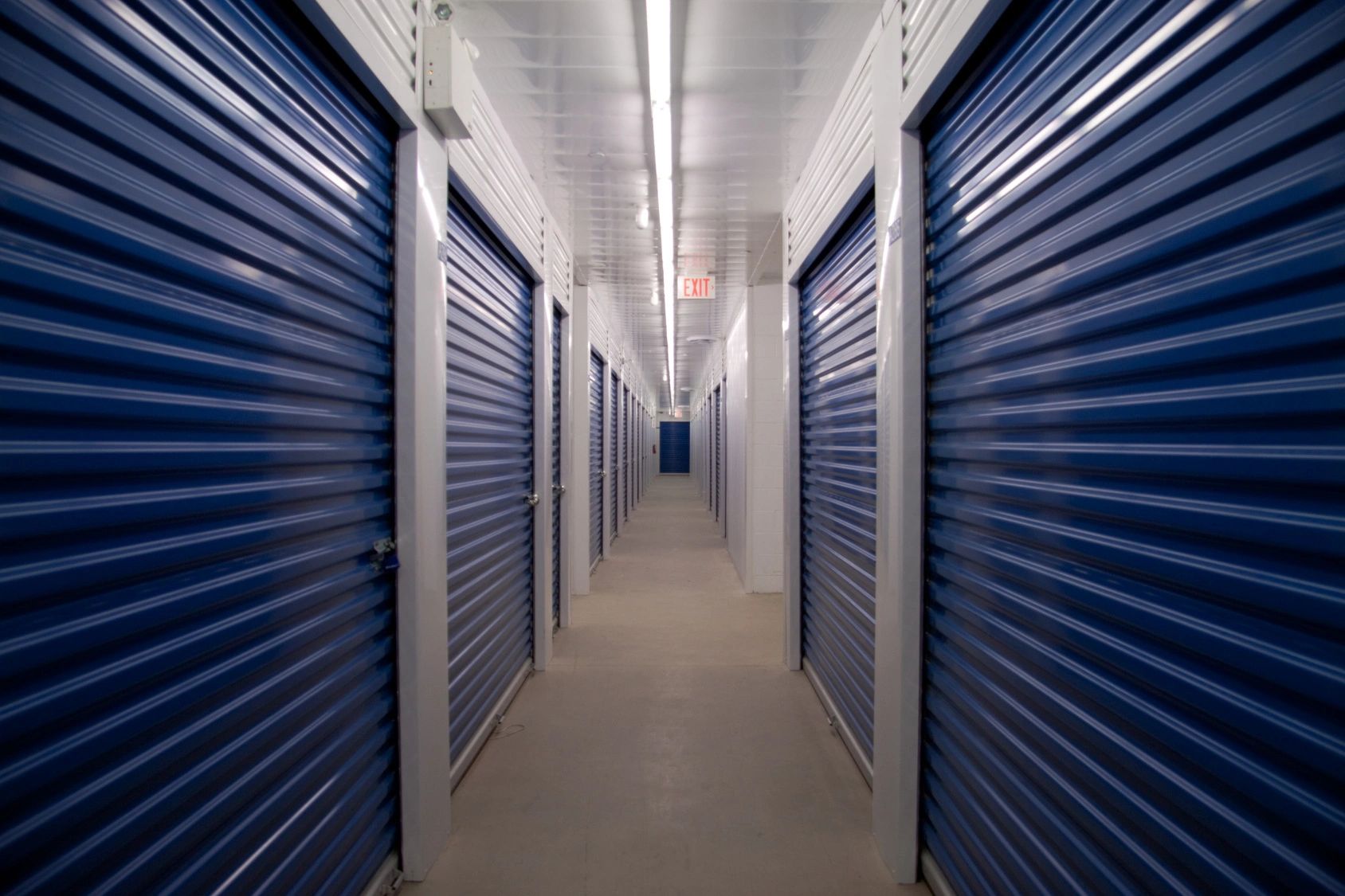
Store: Items for Your Future Return
Consider storage for items you want to keep but don’t need immediately overseas:
- Seasonal items incompatible with your new climate
- Important documents and records
- Items you’ll need when you return to the United States
- Furniture that won’t fit in temporary overseas housing
Destination-Dependent Decisions
Your destination country significantly impacts what makes sense to ship. Reputable overseas moving companies and international removal companies like BLUEmove help families understand these nuances.
Climate Considerations
Moving from Florida to Sweden? Those summer wardrobes might not serve you well. Conversely, relocating from Denver to Singapore means heavy winter coats become unnecessary baggage. If you’re weighing up destinations, our guide to Living in Spain vs Portugal covers how climate varies across both countries.
Electronics and Voltage
While most modern electronics adapt to different voltages, some items require expensive transformers or simply won’t work abroad. Research your destination’s electrical standards before deciding.
Vehicle Regulations
Each country has unique import regulations, emissions standards, and safety requirements. Moving to England or Australia requires left-hand-drive conversions, while some European countries have strict emissions standards for older vehicles. Our guide to shipping cars and motorcycles from the USA to the UK covers the vehicle import process in detail.
Cost-Per-Cubic-Foot Decision Tool
Any reputable international removals company will give you a per-cubic-foot rate. Use this simple calculation to determine when shipping makes financial sense:
Shipping Cost ÷ Item Volume = Cost per cubic foot
If your international removals company quotes $15 per cubic foot for shipping, and your dining room set occupies 20 cubic feet ($300 shipping cost), compare this to replacement costs at your destination. A quality dining set costing $2,000 to replace makes shipping the obvious choice.
Generally, ship items when:
- Replacement cost is 3x or more than shipping cost
- Items have sentimental value beyond monetary worth
- Replacement items aren’t readily available at your destination
How BLUEmove’s Free Video Pre-Move Survey Helps
Making these decisions becomes much easier with expert guidance. BLUEmove’s free video pre-move survey connects you with experienced professionals who understand international shipping regulations and costs. During this comprehensive consultation, our team helps you:
- Assess each room systematically for shipping viability
- Understand destination-specific restrictions and requirements
- Calculate accurate shipping costs for informed decision-making
- Identify items that may face customs challenges
- Plan optimal packing and shipping strategies
With 21+ years providing family international relocation services to the Washington DC diplomatic community and beyond, our international moving services expertise helps families avoid costly mistakes and shipping regrets. Learn more about why FMC registration matters when choosing international movers.
Moving Abroad Checklist: 12 Essential Steps
This timeline-based moving abroad checklist ensures nothing falls through the cracks during your international relocation:
6–12 Months Before Moving
- Research destination requirements: Visa applications, work permits, and residency documentation
- Contact a moving company overseas: Get quotes from FMC-registered international removal companies like BLUEmove — not just any local mover
- Begin decluttering: Start the ship/sell/store decision process early
3–6 Months Before Moving
- Schedule your free video pre-move survey: Get professional guidance on shipping decisions
- Arrange pet relocation: International pet transport requires extensive advance planning
- Research schools and housing: Secure arrangements at your destination. Read our guide to moving from the USA to Ireland for an example of what the school system looks like abroad
1–3 Months Before Moving
- Finalise shipping inventory: Confirm what’s shipping, storing, or selling
- Arrange temporary accommodation: Book initial housing upon arrival
- Notify schools and employers: Provide official moving dates
Final Month
- Complete customs documentation: Ensure all paperwork is accurate and complete
- Pack essential items separately: Keep important documents and immediate needs accessible
- Review transit insurance options for your shipment

Frequently Asked Questions
How much does it typically cost to ship household goods internationally?
International shipping costs vary significantly based on volume, destination, and service level. Generally, expect $8–25 per cubic foot for shared container shipping, with full container loads offering better per-cubic-foot rates for larger moves. BLUEmove’s free video survey provides accurate, transparent pricing tailored to your specific needs.
What items are prohibited from international shipping?
Commonly prohibited items include hazardous materials, perishable foods, plants, firearms, and certain electronics. Each destination country has specific restrictions — for example, Australia has strict quarantine laws, while some European countries restrict certain wood products. International removal companies like BLUEmove provide destination-specific guidance during your planning process.
How long does international shipping typically take?
Shipping timeframes depend on your destination and shipping method. Ocean freight to Europe typically takes 2–4 weeks, while shipments to Asia or Australia may take 4–8 weeks. Add 1–2 weeks for customs clearance and local delivery. Air freight dramatically reduces transit time but costs significantly more than ocean shipping.
Should I purchase additional insurance for my international move?
Standard coverage often provides limited protection based on weight rather than actual value. For valuable items like artwork, antiques, or electronics, consider purchasing full replacement value insurance. Review BLUEmove’s transit insurance options or speak with our team to understand your coverage choices.
Can I ship my car internationally, and when does it make sense?
Vehicle shipping is possible but requires careful cost-benefit analysis. Consider shipping when your car is relatively new, has sentimental value, or would be expensive to replace. However, right-hand-drive countries, strict emissions standards, or high import duties often make local purchase more economical. Read our complete guide to shipping cars and motorcycles from the USA for full detail.
What happens if I’m relocating overseas with children — any special considerations?
When relocating overseas with children, prioritise shipping comfort items, favourite toys, and familiar belongings to ease the transition. Pack a “first day” box with immediate essentials, and consider shipping children’s furniture early to create familiar spaces quickly. BLUEmove’s family-focused approach includes special attention to making international moves less stressful for young family members.
Ready to Start Your International Move?
Creating an effective moving abroad checklist requires expertise, planning, and attention to detail. BLUEmove International Relocation combines 21+ years of experience with personalised service to make your international move seamless and stress-free.
Our comprehensive international moving services cover everything from initial planning consultations to final destination delivery. As an IAM member moving company serving American families throughout Washington DC, Maryland, Virginia, and beyond, we understand the unique needs of families moving abroad.
📞 Call BLUEmove toll-free: (+1) 855.808.4900 | blue-move.com | Free estimate — no obligation