Sarah stared at three international moving quotes spread across her kitchen table. Two were remarkably similar — around $8,500 for her 260 cubic feet shipment from Arlington to London. But the third? Just $3,000. The fine print mentioned something about “reweighing at warehouse” and “groupage shipping,” but at first glance, it seemed like an incredible deal.
Three months later, Sarah’s belongings were still somewhere in transit, she’d paid an additional $2,800 in unexpected fees, and her antique dining set had mysteriously acquired water damage. She’d learned the hard way about the hidden costs of international moving through groupage services.
If you’re comparing international moving quotes and one seems suspiciously low, there’s likely a reason — and that reason is probably groupage shipping.
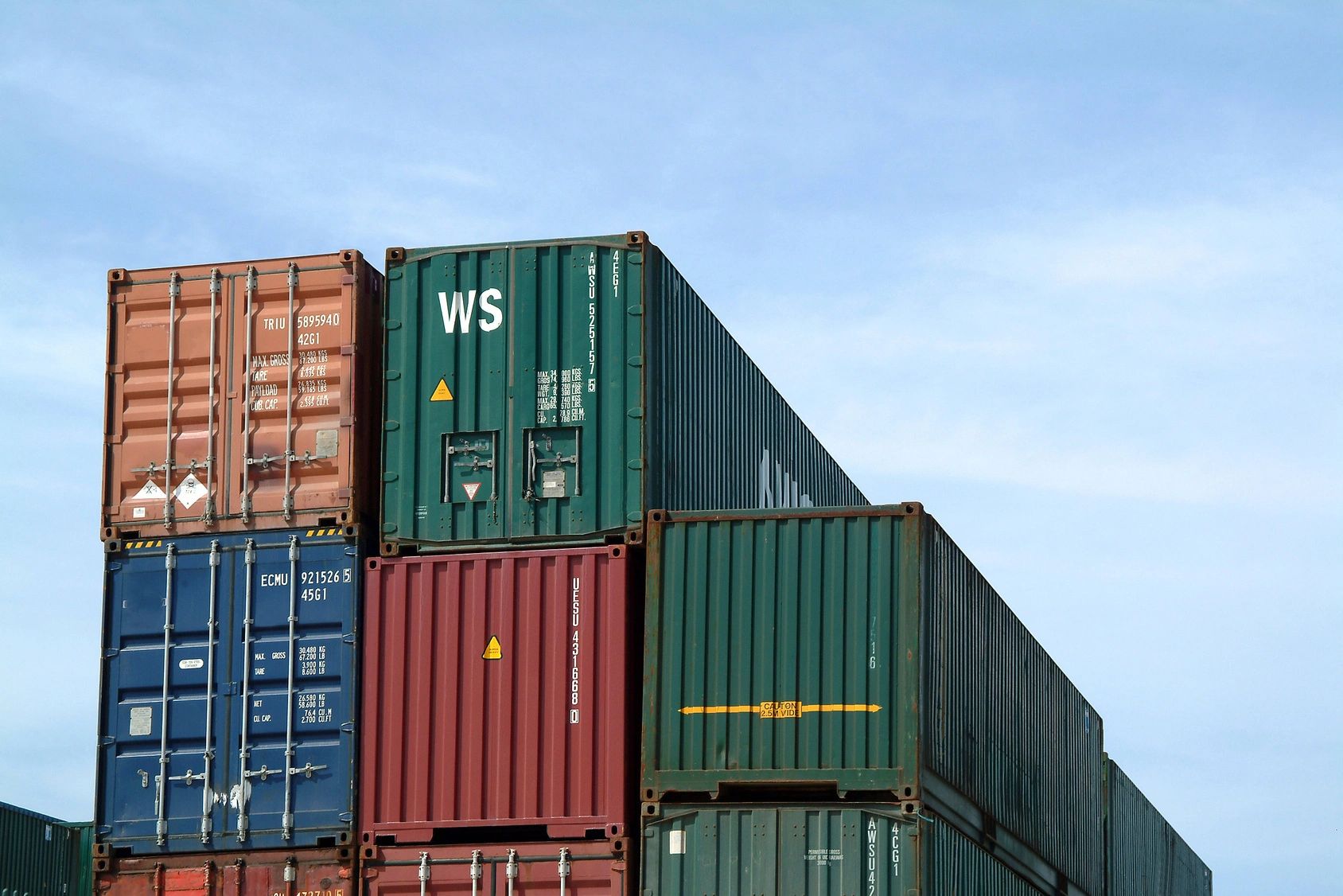
What Exactly Is Groupage Shipping?
Groupage shipping means your household goods share an international moving container with complete strangers’ belongings. Think of it as the moving equivalent of a budget bus route — lots of stops, unpredictable schedules, and you never know who you’re travelling with.
Here’s how it typically works. Your belongings get packed into an LCL (Less than Container Load) shipment, then sit in a warehouse until the moving company finds enough other customers to fill the container. Your goods might share space with someone else’s motorcycle, another family’s furniture, or even commercial cargo you know nothing about.
The container then makes multiple stops at various ports. Different handlers — none of whom you’ve approved or even met — access your belongings at each location. What started as a simple move from Tysons Corner to Paris becomes a mystery tour across international waters.
The Six Real Risks of Groupage Shipping
1. Unpredictable Transit Times
When you choose groupage shipping, you’re agreeing to wait. Your move happens on the container’s schedule, not yours. That “4–6 week” estimate can easily become 3–4 months. The shipping company waits to fill the container, then makes multiple port stops before reaching your destination.
For diplomatic families with strict assignment timelines, or corporate relocations with specific start dates, these delays can derail entire career transitions.
2. Increased Damage Risk
Every time that shared container opens at another port, your belongings face new handling risks. Different crews. Different standards. Different levels of care. Items carefully packed in Washington DC might be roughly handled in Rotterdam, Hamburg, or wherever else the container stops along the way.
Multiple loading and unloading cycles significantly increase the chances of damage to your household goods.
3. Loss of Visibility and Control
With groupage services, you lose track of your belongings once they leave the origin warehouse. You don’t know which other shipments share your container, where it stops, or who handles your goods at each stage. This makes it nearly impossible to resolve problems when they arise.
4. Undisclosed Co-Loading
Moving companies rarely tell you what else is sharing your container. Your family heirlooms might travel alongside automotive parts, industrial equipment, or hazardous materials. Different cargo types can pose contamination risks or attract additional customs scrutiny.
5. Customs Complications from Other Shippers
This is perhaps the most frustrating risk. When one shipment in your shared container has customs issues, everyone’s goods can be delayed or subjected to additional inspection. Problems with someone else’s paperwork or cargo directly impact your delivery timeline and costs.
6. Insurance Gaps and Coverage Issues
Standard groupage insurance often contains exclusions related to shared container risks. Proving that damage occurred during your portion of the journey — rather than from another shipper’s goods or during one of the multiple port stops — can be nearly impossible.
Groupage vs Sole Use vs Direct LCL — At a Glance
| Groupage | Sole Use Container | Direct LCL (BLUEmove) | |
|---|---|---|---|
| Who shares your container | Unknown third parties | Nobody | Nobody |
| Departure | Waits until full | Ships on your schedule | Ships on your schedule |
| Port stops | Multiple | Direct | Direct |
| Handling cycles | 3–6+ | 1–2 | 1–2 |
| Customs risk | Shared with other shippers | Yours only | Yours only |
| Insurance clarity | Complex, multi-party | Clear | Clear |
| Pricing transparency | Hidden fees common | All-inclusive | All-inclusive (DTHC included) |
| Timeline reliability | Unpredictable | Confirmed | Confirmed |
What Does an International Moving Container Actually Cost?
This is one of the most common questions we receive — and one of the most misunderstood areas in international moving.
A 20ft sole-use container typically accommodates a 2–3 bedroom home. A 40ft container suits larger families. For smaller households — one or two bedrooms — our direct LCL service is the smarter option. Your goods move in a consolidated box on a direct, dedicated sailing, with no groupage complications.
The honest answer on cost: a properly priced international move that includes packing, customs documentation, port handling (DTHC), and destination delivery will always cost more than a groupage quote that excludes most of those items. The difference is that our price is the final price. Groupage quotes grow.
We include destination terminal handling charges in every quote. We don’t reweigh at the warehouse. What we quote is what you pay.
For a full breakdown of what your move would involve, explore our international moving services or call us directly at 855.808.4900.
How to Compare International Moving Quotes Properly
When reviewing international moving quotes, look beyond the headline price. Ask these specific questions:
- Is this a sole-use container or a shared/groupage service?
- Are destination handling charges (DTHC) included in the quote?
- What exactly triggers additional fees?
- How many port stops will my container make?
- Who handles my goods at each location, and are they approved subcontractors?
- Is there a reweigh clause at the warehouse?
Legitimate international relocation services will provide clear, detailed answers to every one of these. Companies offering suspiciously low quotes often dodge these questions or bury the crucial details in fine print.
A Note for Diplomatic and Embassy Families
Diplomatic relocations operate on fixed timelines. An assignment start date is not flexible. A delayed container is not just an inconvenience — it can mean arriving at post without your household goods for weeks or months.
We have spent 21+ years moving diplomatic and embassy families out of the Washington DC area. We understand what’s at stake with your timeline, and we build every move around your assignment date — not around when a shared container happens to fill up.
Learn more about our diplomatic and embassy relocation services.

The BLUEmove Difference: Transparency from Start to Finish
After 21+ years serving families across the Washington DC area — from diplomatic households in Georgetown to corporate relocations from Reston — we have seen too many customers burned by groupage shipping promises.
Our approach eliminates groupage risks entirely.
Sole-Use Container Options For larger shipments, we provide dedicated 20ft or 40ft containers exclusively for your household goods. Your belongings travel directly from origin to destination — no mystery stops, no shared space, no additional handling by unknown parties.
Direct LCL Service For smaller shipments, our direct LCL service sends your belongings straight to the destination port without groupage complications. We include DTHC in our quotes. No surprises on arrival.
Single Team Management One experienced team manages your entire move from our DC-area operations to final delivery. You work with people who know your shipment personally — not a series of subcontractors passing along partial information.
As an FMC-registered and IAM-certified international moving company, we are held to strict professional standards. Our communication is comprehensive and transparent. You know exactly what you are paying for, upfront.
FAQ: Understanding International Moving Costs
Why do groupage shipping quotes seem so much lower initially?
Groupage quotes routinely exclude destination handling charges, customs clearance fees, and storage expenses during transit delays. The low headline price does not reflect the true total cost of your move. By the time your goods arrive — late, and potentially damaged — the groupage option often costs more than a properly priced sole-use service.
What’s the difference between LCL and groupage shipping?
LCL (Less than Container Load) simply means your shipment does not fill an entire container. However, proper direct LCL service ships your goods directly to your destination port. Groupage shipping combines multiple customers’ goods and makes multiple stops along the way, creating delays and additional handling risks. The terms are often used interchangeably by less reputable providers — which is exactly the problem.
How long should I expect my international move to take?
With sole-use containers or direct LCL service, most international relocations from the DC area take 3–5 weeks to European destinations and 6–8 weeks to Asia or Australia. Groupage shipments can take 3–4 months or longer due to container-filling delays and multiple port stops.
What is DTHC and why does it matter?
Destination Terminal Handling Charges (DTHC) are port fees applied when your container arrives at the destination. Many groupage providers exclude these from their initial quote. BLUEmove includes DTHC in every quote as standard. It is one of the most common sources of “surprise” costs at the end of a groupage move.
Can BLUEmove handle my move if I am a diplomat or embassy staff member?
Yes. Diplomatic and embassy relocations from the Washington DC area are a core part of what we do. We work with strict assignment timelines, handle all customs documentation, and coordinate directly with destination agents to ensure on-time delivery. Call 855.808.4900 to discuss your move.
Get an Honest Quote for Your International Move
Whether you are a diplomatic family preparing for your next assignment, a corporate executive relocating to Europe, or planning a private family move abroad — you deserve transparent pricing and a team that takes responsibility for your goods from door to door.
Don’t let a suspiciously low quote turn your international relocation into a months-long ordeal filled with unexpected costs and damaged belongings.
Call BLUEmove International Relocation at 855.808.4900 for an honest, all-inclusive quote. We will explain exactly what’s included, how your goods will travel, and when you can expect delivery — with no hidden surprises.
After 21+ years helping families navigate international relocations successfully, we know the difference between a good deal and a costly mistake.
Book your free estimate today.
We don’t just move boxes. We bring families home.