Moving to Mexico from the USA requires either temporary or permanent residency, applied for at a Mexican consulate in the United States before you go. Your household goods can enter duty-free only through the menaje de casa exemption, which attaches to permanent residency and works inside a fixed arrival window. Miss that window and duties apply.
For many American families and retirees, Mexico is the most practical international move available: a short flight home, a familiar time zone, warm weather, and a cost of living that stretches a fixed income further. At BLUEmove International Relocation, headquartered in Columbia, Maryland, we help families plan the logistics side of that transition: the paperwork sequencing, the shipping method, and the timing that decides whether your furniture arrives duty-free. One thing to understand early is that in Mexico your immigration status and your household goods are legally connected. Get the order wrong and you pay for it. For a sense of what an international household shipment costs in general, our guide to what international moving costs in 2026 is a useful starting point.
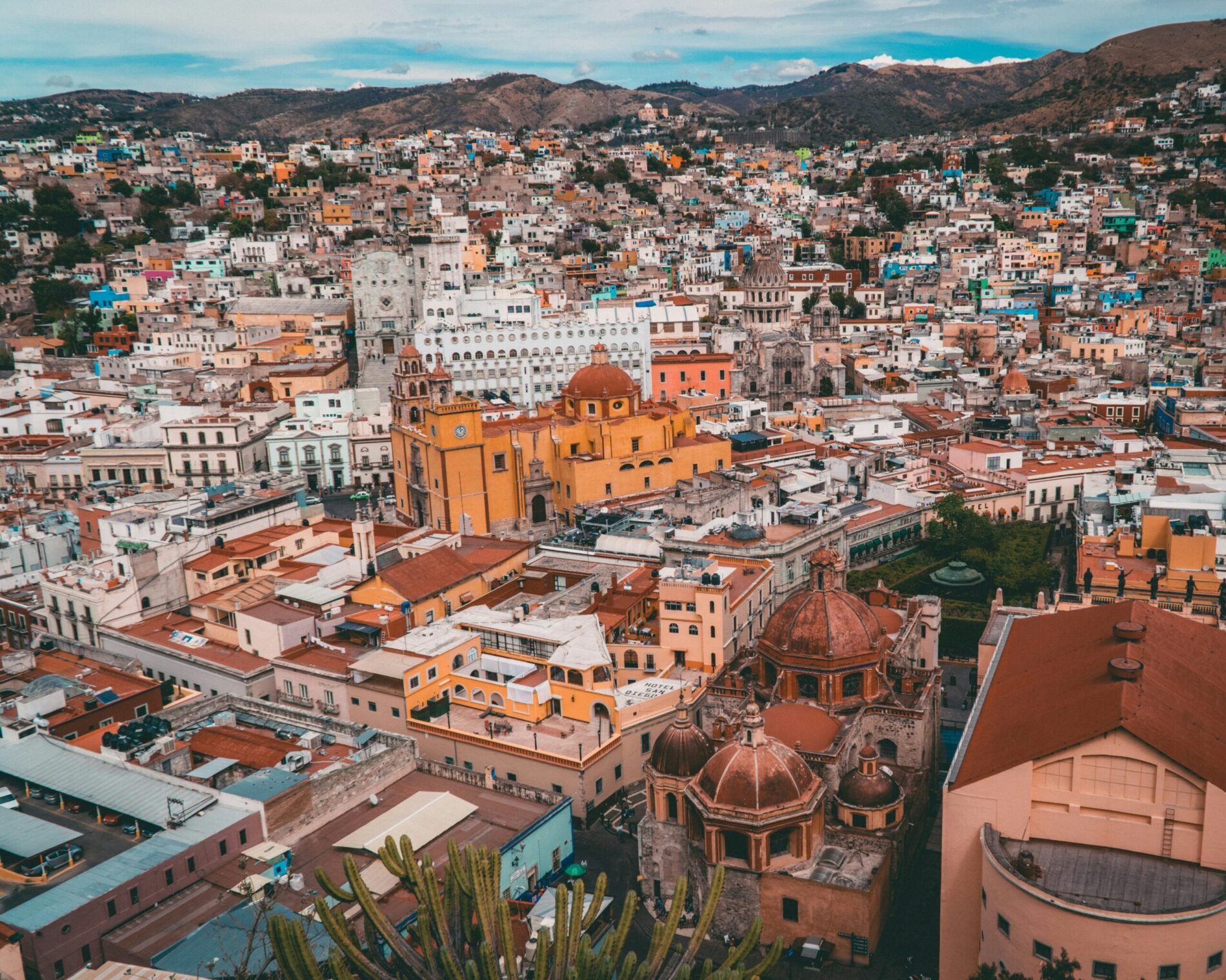
Residency First: Temporary vs Permanent and Why It Matters for Your Belongings
Mexico offers two main residency categories for Americans planning to live there long-term. Both are applied for at a Mexican consulate in the United States, not after you arrive on a tourist permit. That distinction trips people up constantly.
Residente Temporal (Temporary Resident)
Temporary residency is typically granted for one year initially and is renewable for up to four years in total. It suits people who want to test Mexico before committing, remote workers, and anyone whose finances don’t yet meet the permanent threshold. After four years of temporary residency, you can generally convert to permanent status without leaving the country.
Here is the part that matters for your shipment: the menaje de casa duty-free exemption attaches to permanent residency, not temporary. Temporary residents can still bring household goods in, but as a temporary importation with an undertaking to take them out again when they leave, which converts to a duty-free import once they become permanent residents. Many temporary residents choose to bring less, rent furnished, and ship a full household later.
Residente Permanente (Permanent Resident)
Permanent residency has no expiry and no renewal requirement. It is also the status that unlocks the menaje de casa exemption for a one-time duty-free household goods import. Retirees have an extra route: those with qualifying pension income can often apply for permanent residency directly, without the four-year temporary track.
Financial requirements for both categories are set by individual Mexican consulates and are recalculated against Mexican minimum wage figures, so they vary by consulate and change periodically. We deliberately don’t publish a dollar figure here, because the number on a forum post from last year may not be the number your consulate applies to your file this year. Contact your consulate directly and ask for its current income and savings thresholds in writing.
Why the Order of Operations Matters
Here is the sequence that protects your shipment:
- Apply at a Mexican consulate in the USA. In most cases you cannot start a residency application from inside Mexico on a tourist permit.
- Receive the visa sticker in your passport. This is a pre-approval, not the residency card itself.
- Enter Mexico and exchange it for your residency card within 30 days at an INM (Instituto Nacional de Migración) office.
- Coordinate your shipment around that arrival date, because the duty-free window is defined relative to when you enter Mexico as a resident.
A common and expensive mistake is booking a container before the residency paperwork is settled. The shipment is ready, the paperwork isn’t, and the goods sit in port running up storage charges. Treat your consulate appointment date as the anchor for every other date in your move.
For official immigration information, the Instituto Nacional de Migración is the authoritative source, and the Secretaría de Relaciones Exteriores lists Mexico’s consulates in the United States.
Retiring in Mexico: Healthcare, Climate, Community and Cost
Retiring in Mexico is one of the most established international retirement paths for Americans, and the reasons are straightforward. It is still worth being honest about both sides.
Healthcare Access
Mexico has three tiers relevant to foreign residents: IMSS, the public social security system, which legal residents can join voluntarily for an annual premium; IMSS-Bienestar public services, which replaced INSABI in 2023; and a large, well-regarded private sector. In practice, many American retirees use a combination, with private insurance or self-pay for routine and specialist care and IMSS as a backstop.
Private care in major cities and expat hubs is generally high quality and costs substantially less than equivalent care in the United States. Two caveats matter. First, Medicare does not cover you in Mexico, with very narrow exceptions. Second, pre-existing conditions can exclude you from IMSS enrollment, and private insurers underwrite by age. If you’re 55 or older, plan your insurance before you move, not after, with a broker who specializes in expatriate coverage.
Climate and Altitude
Mexico is not one climate. Coastal Yucatán is hot and humid year-round. The Pacific coast around Puerto Vallarta is tropical with a distinct rainy season. The central highlands (San Miguel de Allende, Guanajuato, Lake Chapala) sit at altitude and offer mild, spring-like weather most of the year, with cool nights and little need for air conditioning. Some highland towns sit well above 5,000 feet, so if you have cardiac or respiratory concerns, discuss altitude with your physician.
Community
Established expat communities matter more than people expect. They provide practical infrastructure: English-speaking doctors, bilingual attorneys, social clubs, volunteer organizations, and neighbors who have already been through the residency card renewal you’re about to face. For anyone moving at 55 or older without Spanish, that network is often the difference between settling in and going home after a year.
Cost
Cost of living in Mexico is generally lower than in major US metro areas. Housing, domestic help, produce, dining out and healthcare tend to cost less. Imported goods, cars, gasoline, electronics and quality wine often cost the same or more. Utilities vary enormously by region: a house running air conditioning through a Yucatán summer produces a very different electric bill from a highland home with none.
We don’t publish savings percentages, because the honest answer is that it depends on your lifestyle and location. A retiree in a modest highland town and a retiree in beachfront Los Cabos are living in different economies.
Where Americans Settle: Five Areas, Pros and Cons
| Area | Character | Main Advantage | Main Trade-Off |
|---|---|---|---|
| Lake Chapala / Ajijic | Highland lakeside, large retiree population | Mild climate year-round; deep English-speaking support network | Can feel insular; limited cultural variety |
| San Miguel de Allende | Colonial highland city, arts-focused | Walkability, culture, established services | Property prices have risen; cobblestones are hard on mobility |
| Mérida & Yucatán | Colonial city, strong safety reputation | Good private hospitals; growing international flight links | Intense heat and humidity; high A/C costs |
| Puerto Vallarta / Riviera Nayarit | Pacific coast resort corridor | Beach lifestyle, direct US flights, very established expat scene | Tourist pricing; hurricane season; humidity |
| Querétaro | Modern highland business city | Infrastructure, healthcare, good for corporate relocations | Less of a retirement feel; more Spanish required |
A Note for Corporate and Executive Moves
Not everyone moving to Mexico from the USA is retiring. Querétaro, Monterrey, Guadalajara and Mexico City take a steady flow of executive and technical relocations, particularly in automotive, aerospace and manufacturing. These moves carry different priorities: school placement, spousal employment, shorter assignments, and often company-paid shipping with strict documentation requirements. Corporate assignees also frequently hold temporary rather than permanent residency, which changes the household goods calculation entirely. We handle both profiles.
Shipping Household Goods: The Menaje de Casa in Brief
The menaje de casa is Mexico’s one-time duty-free household goods exemption, and it attaches to permanent residency. Your goods must arrive within a fixed window: no earlier than three months before you arrive in Mexico as a resident, and no later than six months after. The inventory must be certified by the Mexican consulate covering your US address, so the consulate that certifies a Maryland family’s inventory is not the one that serves a family in Denver.
That’s the short version. Because the deadlines are unforgiving and the inventory format is specific, we’ve written a dedicated walkthrough: read our full menaje de casa Mexico import deadline guide before you book anything. It covers the inventory format, what customs expects to see listed, and how the timing interacts with your residency card.
One boundary to state plainly: BLUEmove International Relocation does not file, certify or obtain any immigration or customs document on your behalf. We are movers. The residency application and the consulate-certified inventory are yours; the customs declaration is filed by a licensed Mexican customs broker. We coordinate the physical shipment and the timing so the freight lines up with both.
Air vs Sea: Timelines and Method
| Method | Transit Time | Best For |
|---|---|---|
| Air freight | 5–10 days | Essentials, documents, medical equipment, small high-value items |
| Sea freight | 4–8 weeks | Full households, furniture, the bulk of a menaje de casa shipment |
Many families split the difference: a small air shipment with what they need in the first week, followed by a sea container with everything else. For LCL shipments, where your goods share a container with other consignments, pricing commonly runs in the region of $8 to $25 per cubic foot, depending on volume, origin and destination. For a firm price based on your actual inventory, request a free survey.
Sole-Use Container vs LCL Shipping
A sole-use container means your household alone travels in a 20ft or 40ft container. It skips consolidation at both ends, reduces handling, and suits larger households and high-value contents. LCL shipping costs less for smaller volumes but adds time at both ends while the container is loaded and unloaded with other shipments. For a menaje de casa shipment with a fixed six-month arrival deadline, factor that variability into your planning. If your window is tight, sole use gives you more control.
Vehicles Are Excluded from the Menaje de Casa
Your car cannot ride along on the household goods exemption. Vehicles are excluded from the menaje de casa entirely and follow a separate import process with its own rules, duties and eligibility criteria.
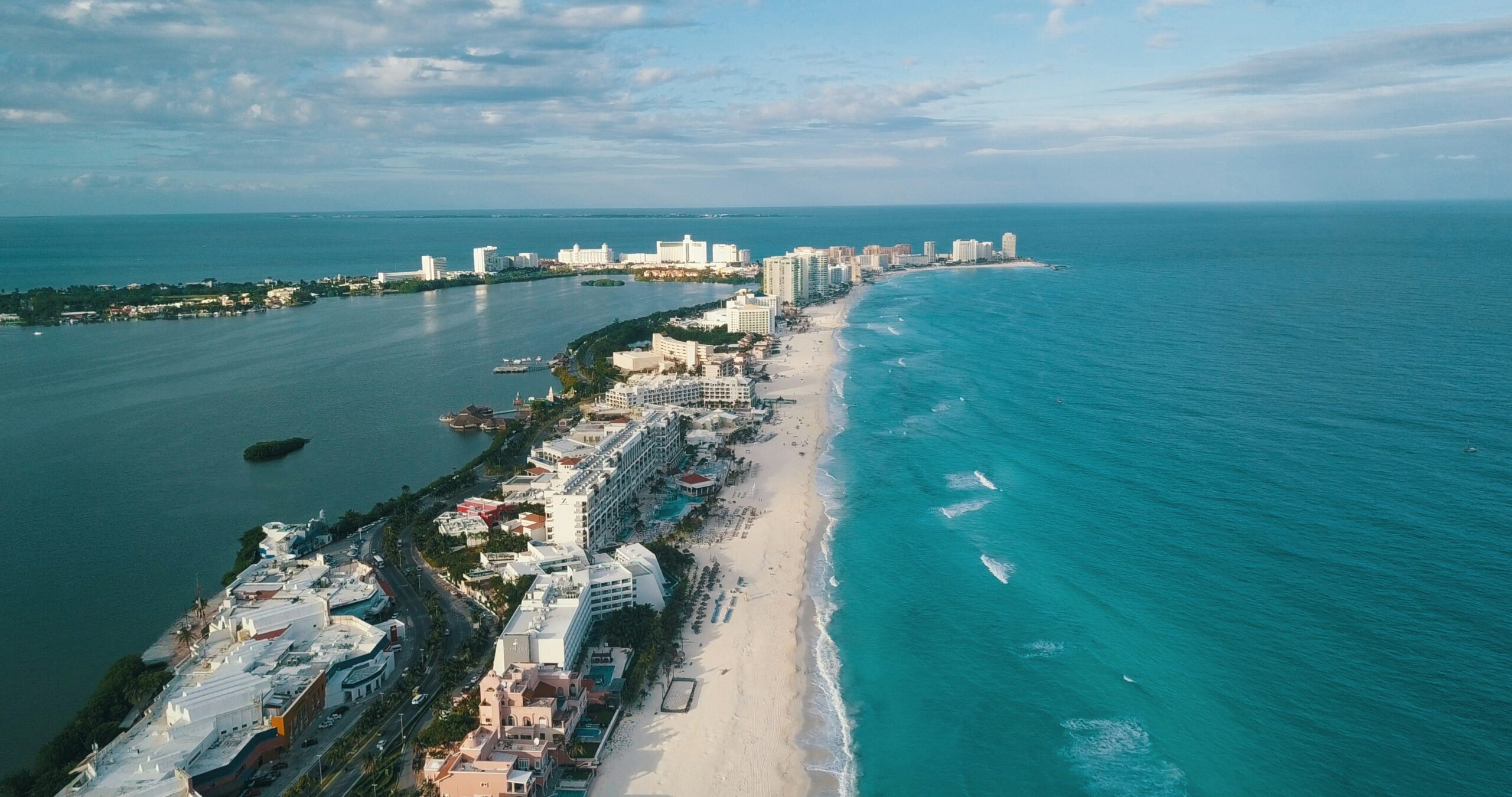
Mexico or the Caribbean for Retirement?
Plenty of our clients weigh Mexico against a Caribbean island before committing. Both offer warm weather and a change of pace, but they are structurally different propositions.
| Factor | Mexico | Caribbean |
|---|---|---|
| Residency route | Well-defined temporary and permanent tracks via US consulates | Varies widely by island; some investment-based |
| Household goods import | One-time duty-free exemption with permanent residency | Island-specific; duty relief is not universal |
| Shipping | Frequent sailings and shorter transit from the US | Fewer sailings to smaller islands; longer lead times |
| Healthcare depth | Large private sector, specialist hospitals in major cities | Strong on larger islands; medical evacuation common elsewhere |
| Trips home | Short flights, some drivable from southern states | Often requires connections |
In short, Mexico generally wins on logistics, healthcare depth and proximity. The Caribbean can win on lifestyle, English-language ease in some territories and, for some people, tax positioning. If you’re still comparing, our guide to the best place to live in the Caribbean for American families breaks down the options.
Planning Your Move to Mexico from the USA: A Working Timeline
9–12 Months Out
- Visit your target region, ideally in the season you’d find least comfortable.
- Contact your Mexican consulate for current financial requirements and appointment availability.
- Speak with a cross-border tax specialist about your US filing obligations as an expatriate.
6 Months Out
- Attend your consulate appointment and receive the visa sticker.
- Start a serious declutter. Shipping costs are volume-driven, so every box you don’t send is money kept.
- Request your survey and quotation. We quote from an actual inventory, not a guess, so this is when accuracy starts.
3 Months Out
- Confirm your Mexican arrival date and plan your INM appointment.
- Book shipping and lock the sailing date against your arrival date.
- Prepare the inventory in the format the consulate requires and get it certified.
Move Month
- Professional packing and full inventory documentation.
- Air shipment departs with essentials; sea freight follows.
- Enter Mexico and exchange your visa for the residency card within 30 days.
Frequently Asked Questions
What do I need to move to Mexico from the USA?
You need either temporary or permanent residency, applied for at a Mexican consulate in the United States before you relocate. In most cases you cannot convert a tourist permit into residency from inside Mexico. If you want your household goods to enter duty-free under the menaje de casa exemption, you also need permanent residency and an inventory certified by the Mexican consulate that covers your US address. Financial requirements are set by each consulate and change periodically, so confirm them directly rather than relying on figures found online.
Can I bring my furniture to Mexico duty-free?
Yes, through the menaje de casa exemption, but only with permanent residency, only once, and only if your goods arrive between three months before and six months after you enter Mexico as a resident. The inventory must be certified by the Mexican consulate covering your US address. Vehicles are excluded and follow a separate import process. Our menaje de casa deadline guide covers the documentation in detail.
Is Mexico a good place to retire?
For many Americans, yes. A lower cost of living, accessible private healthcare, a choice between a mild highland climate and a tropical coast, short flights home, and established English-speaking communities all count in its favor. Medicare does not travel with you, pre-existing conditions can complicate insurance, and cost savings depend heavily on where and how you live. Visit first, plan healthcare before you move, and speak with a cross-border tax specialist about your US obligations.
How long does a move to Mexico take?
Air freight typically runs 5 to 10 days door to door. Sea freight generally takes 4 to 8 weeks, depending on origin port, destination and customs clearance. The binding constraint is usually the residency paperwork, not the freight, so allow several months from your first consulate contact to final delivery.
Why Families Choose BLUEmove International Relocation
For 21+ years we have moved families from the Washington DC area and across the USA, and we have built our reputation on getting the unglamorous details right. Mexico’s timing rules are exactly that kind of detail.
Our credentials are easy to check. BLUEmove International Relocation is FMC-registered (license 020452) and IAM-certified. You can confirm any ocean transportation intermediary’s status directly at fmc.gov, and IAM membership at iamovers.org.
What you get from us: clear communication with no surprise line items, a full-service move from packing through customs coordination to final delivery, and the same named coordinator from survey to unpacking. That includes making sure your grandmother’s dining table is crated properly for the journey.
We don’t just move boxes. We bring families home.
Ready to Start Planning?
If Mexico is on your horizon for 2026, the best first step is an honest conversation about your timeline, your residency status and what you actually want to bring. Request your free moving estimate and we’ll build a plan around your consulate appointment and arrival date, not the other way around. Or call us at 301-570-3306 and speak with someone who knows this route.
Planning your move to Mexico?
BLUEmove International Relocation moves American families abroad door-to-door from Columbia, Maryland. FMC-registered, IAM-certified, 21+ years, container shipping only.
Menaje de casa deadline guide ·
What does an international move cost? ·
Prefer to talk? 301-570-3306